What to Bring to a BBQ: A Complete Guide for Perfect Contributions
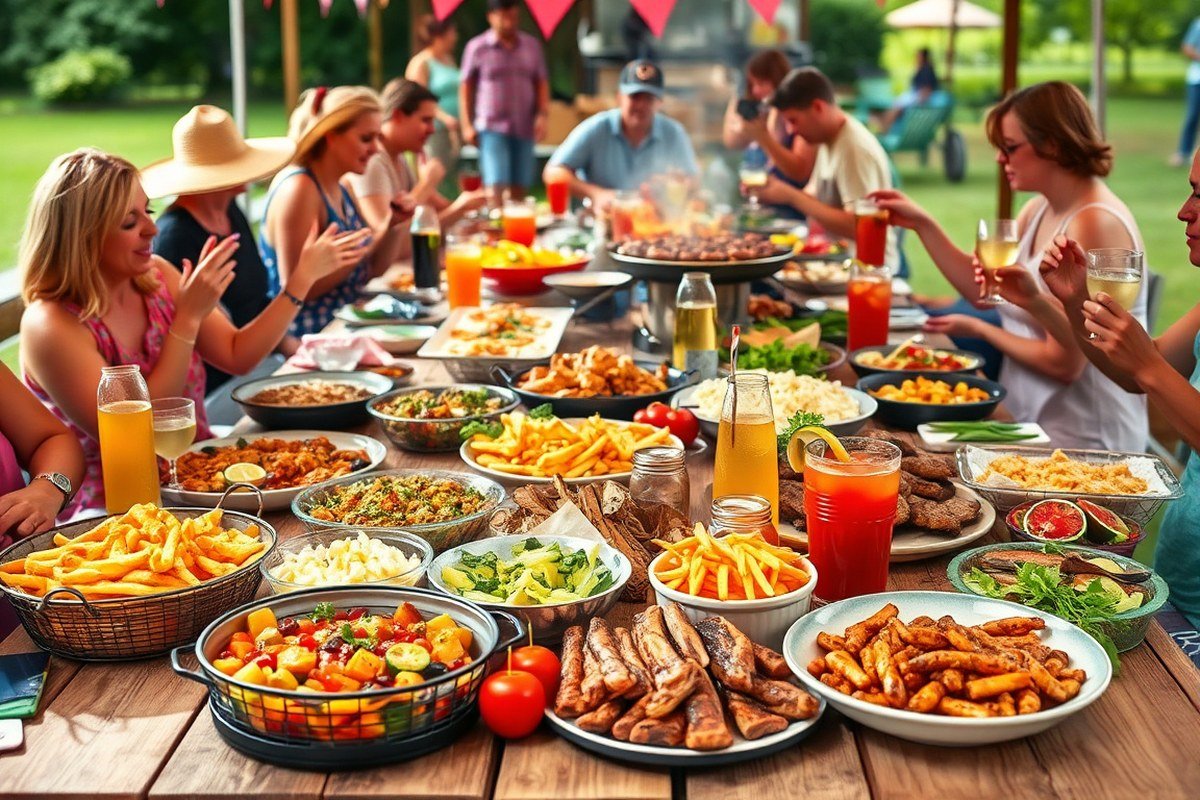
Knowing what to bring to a BBQ can make your contribution a hit without overdoing it. Focus on dishes that travel well, keep safe at outdoor temperatures, and appeal to most guests. Starting with a simple, crowd-pleasing salad like black bean or pasta salad ensures your dish stays fresh and goes far.
Key Takeaways
- Bring a food thermometer to keep hot dishes above 60°C and cold dishes below 4°C for safety.
- A large bowl of black bean or pasta salad is affordable, lasts 2 hours unrefrigerated, and feeds many.
- Arriving 10 to 15 minutes after the BBQ start time respects the host’s schedule without rushing.
- Choose side dishes like watermelon and cucumber salad with lime and mint that stay fresh for days.
- Cook skewers on the grill for about 2-3 minutes per side to match BBQ meat cooking time.
- Non-meat dishes that take less than 20 minutes to prepare can look like real effort and travel well.
Essential Items to Bring to Every BBQ
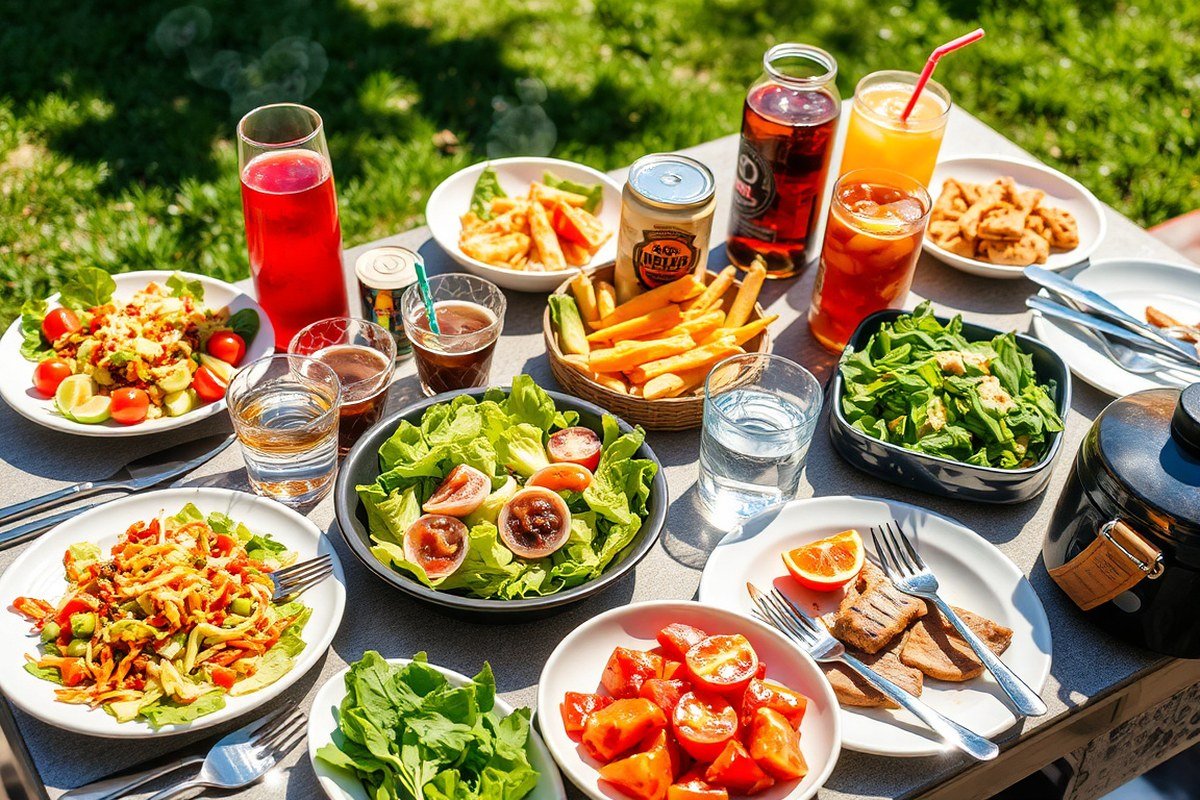
Bringing a Balanced mix of food and drinks is a smart way to contribute to any BBQ. You’ll want to bring something ready to eat or drink, ideally in quantities that serve 6 to 8 people. Pack your items using containers with secure, tight-fitting lids to prevent spills and keep food fresh. For salads and sides, containers that also double as serving dishes minimize what you need to carry and make set-up easier.
The safety of your dish matters, so carry a food thermometer to keep hot items above 60°C and cold foods below 4°C. This prevents foodborne illness without risking quality. Make sure to bring any special serving tools like platters or sauce bottles that your dish needs to stand out and look its best. A good rule of thumb is to stick to something you’d enjoy eating yourself, ensuring your choice fits the style of the BBQ and pleases most guests.
- Food thermometer for safe serving temperatures
- Transport containers with secure lids, ideally shallow for easy stacking
- A mix of alcoholic and non-alcoholic drinks to suit all guests
- Serving tools or utensils if your dish needs them
- Napkins or disposable plates if not provided by the host
It’s thoughtful to bring drinks with your food, like iced tea or ready-to-drink cocktails. Choose containers that aren’t glass when you can, but if you do bring glass bottles, transfer the contents to the host’s dishes as soon as you arrive to avoid spills. Store-bought drinks work well when served in your own bowls or trays since this adds a personal touch and helps manage portions. This method keeps things simple and lets you arrive ready for an enjoyable get-together.
How Much Food and Drink Is Appropriate to Bring
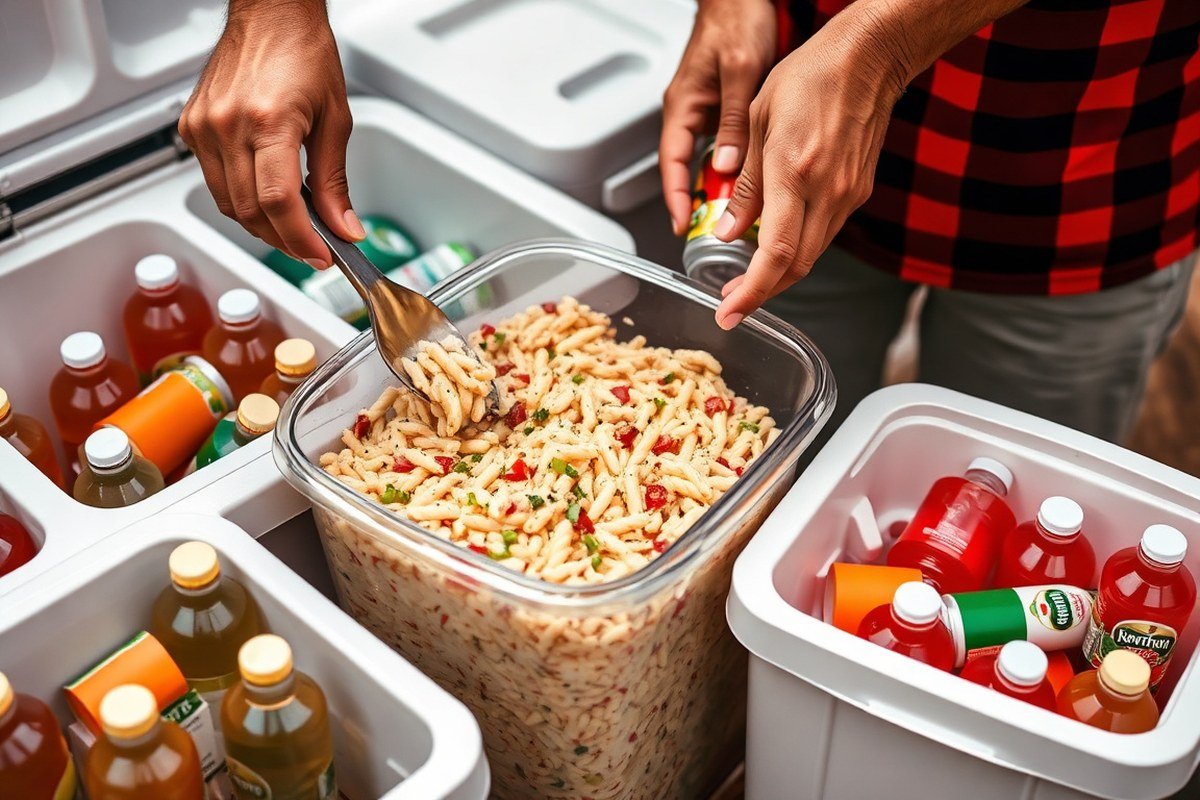
Estimate about one to two side dish servings per guest when deciding what and how much food to bring to a BBQ, especially if the host is already providing the main meats like burgers or ribs. Typically, 4 to 6 ounces of a side salad, a pound of potato salad for every 4 people, or a large bowl of chips can work well. Avoid bringing meat unless the host asks for it, as this can cause overlap and extra cost for you. A good decision rule is to check with your host about the expected number of guests and what others plan to bring, so your contribution complements the spread without excess.
For drinks, plan on about two drinks per person for a casual 2-3 hour BBQ, especially on warm days when guests appreciate staying hydrated. A few cases of soda, sparkling water, or even a selection of bottled flavored waters mix nicely. For example, if 12 people are attending, bringing 24 bottles or cans is reasonable. Including a container of ice to keep drinks cold is appreciated and keeps beverages refreshing throughout the event.
Communicating with the host ahead of time reduces the chance of over-bringing or duplicating items that others have planned. Suppose the host says they’ll provide the meat and some sides for 15 guests. You might decide to bring a large pasta salad that serves 8-10 and two 12-packs of assorted drinks. This keeps your contribution shareable and balanced, reducing food waste and ensuring everyone has enough to eat and drink. Over-bringing leads to wasted food and carrying extra weight, while under-bringing might leave the host scrambling to fill gaps. Adjust quantities based on the BBQ style (e.g., informal neighborhood cookout versus a planned multi-course party) and weather conditions, as hotter weather boosts drink demand.
Best Food Choices That Travel Well and Please Crowds
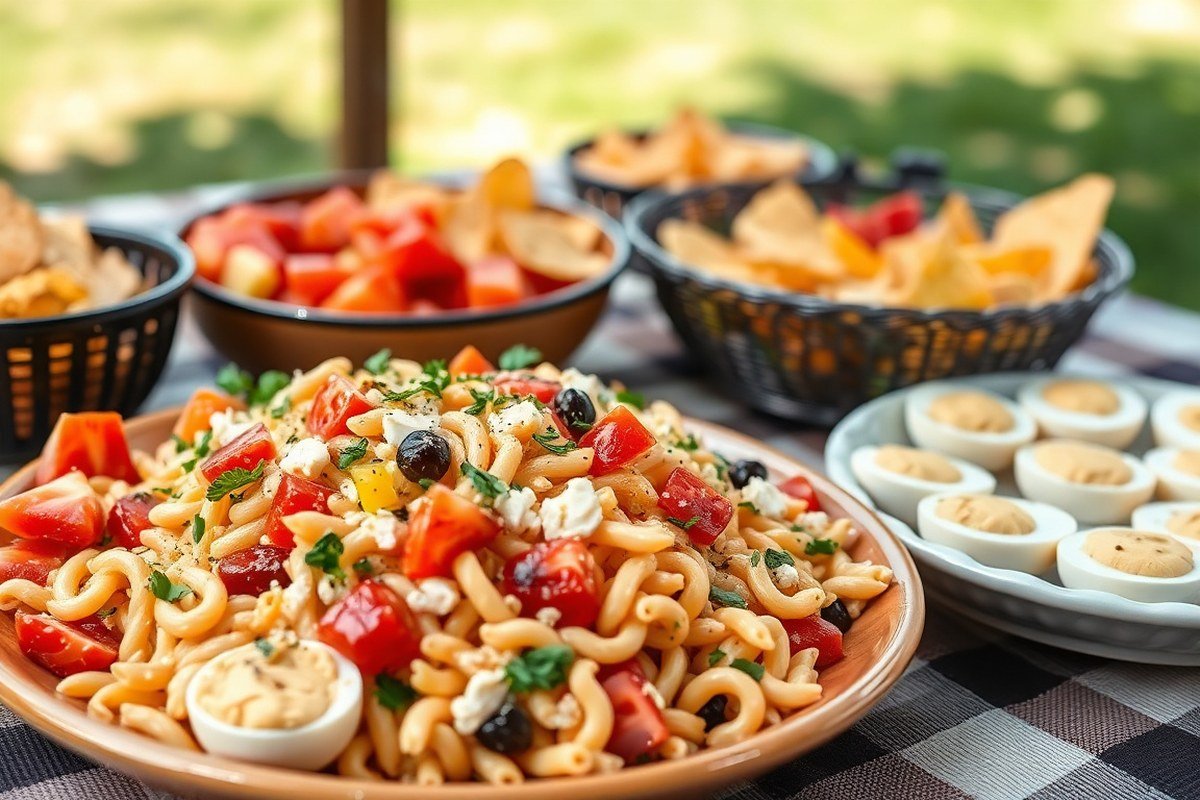
Easy-to-make or store-bought side dishes are a reliable choice for BBQs because they require minimal prep and transport well without refrigeration for a couple of hours. Pasta salad is popular since it keeps its texture even when sitting out, and you can make it vegan by using olive oil and fresh veggies instead of creamy dressings. Bringing dressings on the side helps maintain freshness and lets guests choose how much to add. Coleslaw and potato salad are classic sides that please many. Opt for vinegar-based coleslaw or light potato salad to keep the dishes from spoiling quickly if they won’t have steady cold storage. These salads usually hold up well for about two hours at room temperature, which is ideal for outdoor summer gatherings.
A Fresh vegetable tray offers a colorful, easy snack for guests to nibble on throughout the event. You can add store-bought hummus or simple dips to improve the tray without much extra work. Another great pick is fresh corn on the cob, either boiled or grilled for about 4-5 minutes per side, which complements smoky BBQ meats with a sweet pop of flavor. These sides require no complex cooking, hold up well outside, and appeal to a wide range of tastes.
Desserts for BBQs that travel well include brownies, cookies, or fruit skewers, as they withstand heat better than some cakes or cream-based treats. For evening BBQs, stick with sturdy desserts that won’t melt or spoil if they’re left out. Easy crowd-pleasers like chocolate chip cookies or lemon bars can be made ahead and packed in airtight containers to keep fresh. Avoid desserts requiring refrigeration or delicate frosting in hot weather unless you can keep them chilled.
| Dish | Prep Time | Heat Tolerance | Transport Tips |
|---|---|---|---|
| Pasta Salad | 30 mins | 2 hrs at room temp | Keep dressing separate |
| Coleslaw | 20 mins | 2 hrs at room temp | Use vinegar-based dressing |
| Vegetable Tray | 10 mins | 3 hrs | Pack dip separately |
| Grilled Corn | 10 mins | Optional warm or room temp | Wrap in foil |
| Cookies/Brownies | Varies | Good heat tolerance | Use airtight container |
When and Why to Avoid Bringing Meat to a BBQ
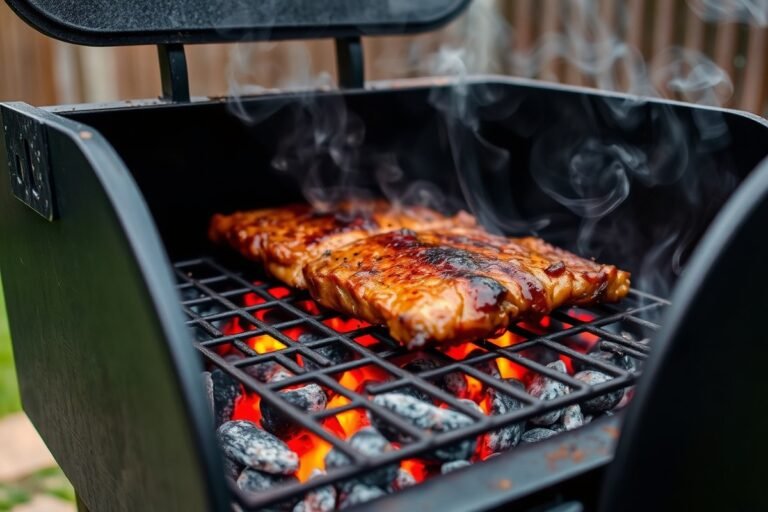
Bringing meat to a BBQ is usually best only if the host explicitly asks for it. Hosts often put a lot of time and effort into preparing their main dishes, like a slow-smoked brisket, so showing up with a meat dish that competes with theirs can be seen as disrespectful. The general rule is to avoid bringing meat unless invited or given clear permission. This keeps the vibe relaxed and ensures that your contribution complements the host’s plans rather than overshadowing them.
If you decide to bring meat, choose simple options that are easy to share and grill quickly, such as plain sausages or basic burgers. These items work well because they don’t require complicated preparation or grilling techniques, and they fit into the BBQ menu without stealing the spotlight. Sausages and burgers usually cook in about 10 to 20 minutes over medium-high heat, making them convenient contributions. Avoid bringing elaborate or specialty meats unless the host requests them, as this can cause confusion or extra work.
Meat contributions might be inappropriate if the BBQ’s focus is already on a specific theme, such as a vegetarian or seafood event, or if the host has made it clear they want to handle all grilling tasks themselves. Bringing unexpected meat can create awkwardness or extra pressure on the host, especially if they are managing the grill alone. Since guests should not handle the grill without invitation, meat items that require special attention can add unintended stress.
Use a simple decision rule: if you’re not sure whether to bring meat, ask the host directly. A quick message like, “Would you like me to bring any meat for the grill, or something else?” saves embarrassment and shows respect. When invited to bring meat, pick straightforward options that contribute positively without complexity. This way, your contribution supports the host and improve everyone’s enjoyment without causing extra work or tension.
Keeping Food Safe and Fresh During Transport and at the BBQ
Keeping food safe and fresh during transport starts with temperature control. Pack hot and cold items separately to maintain their proper temperatures. Use insulated coolers with plenty of ice for cold foods, making sure cold items rest directly on an ice bed in a sealed container to keep them chilled. For a group, plan on about 1 kg of ice per guest, increasing to 2 kg if the day is hot. Replace ice as needed to avoid food warming up during the event. Hot foods should be kept above 140°F (60°C) until served, which may require insulated carriers or heated containers if transport or wait times are long.
Bringing salads or sides that serve cold? Keep them in a cooler to maintain freshness and crispness all afternoon. Consider the event duration and local weather; on warm days, cold foods and drinks need more ice and refrigeration to prevent spoilage or texture changes. For example, ice cream melts quickly in hot sun and won’t hold up without constant cold storage. Use sturdy serving dishes with lids to reduce exposure to air and insects during transport.
Practical steps include packing a checklist: insulated coolers, sufficient ice, airtight containers, and separate carriers for hot and cold items. Keep cold drinks and water beverages topped up with ice to stay refreshing. Avoid mixing items that require different temperature controls in the same container to prevent cross-contamination or early spoiling. Store raw meats at safe temperatures below 40°F (4°C) until cooking to prevent foodborne illness risks according to the CDC.
Swap out ice midway through the event to keep salads crisp and food safe. When the BBQ runs for several hours, make sure to check temperatures from time to time. Carrying a food thermometer can help verify hot dishes remain above 140°F and cold dishes stay below 40°F. By maintaining proper food temps and using practical gear, you’ll ensure your contributions arrive in the best possible condition and reduce risks of spoilage outdoors.
Non-Food Essentials That Improve the BBQ Experience
Bringing a few useful non-food items can make your host’s job easier and improve the overall BBQ vibe. Many hosts juggle limited fridge and table space, so extra plates, utensils, or trash bags are always welcomed. Offering to bring serving spoons or tongs alongside your dish helps keep each item separate and avoids cross-contamination. For drinks, coolers or extra ice packs can save space in the host’s fridge and keep beverages chilled longer.
Think about comfort too. Folding chairs, picnic blankets, or outdoor cushions support guests when seating is tight. Having extra napkins and hand wipes handy improves cleanliness and convenience at casual gatherings, whether backyard or cottage BBQs. If you’re unsure what to bring beyond food, asking the host what they need shows thoughtfulness without adding stress.
- Extra disposable or reusable plates and cutlery to ease serving and cleanup
- Serving utensils (spoons, tongs) packed with your dish to avoid cross-contamination
- Garbage and recycling bags for easy trash collection and to keep the area tidy
- Cooler with ice or ice packs for drinks or perishable items when fridge space is limited
- Seating aids like foldable chairs or picnic blankets for added guest comfort
- Napkins or wet wipes for quick hand cleaning between dishes
- Optional grilling gloves or apron if you offer to help with cooking
Bringing these items generally costs from $1 to $10 each, depending on quality and quantity. Well-prepared contributions free the host from scrambling for utensils or cleanup supplies, making the BBQ smoother and more enjoyable. Without them, hosts often spend extra time hunting for serving tools or managing trash, which can interrupt the relaxed atmosphere everyone is aiming for.
Arrival Timing and Handling Different BBQ Locations
Arriving on time with your contribution sets the tone for a successful BBQ. Aim to arrive about 10 to 15 minutes after the official start time. This allows the host to finish last-minute preparations without you arriving too early or late. For backyard gatherings, this window is ideal because you can easily drop off your dish and equipment before settling in.
Public parks or other outdoor venues require a different approach. Parks often have limited facilities, so bring additional gear like folding tables, coolers, and trash bags. Arriving 20 to 30 minutes early in these locations helps you secure a good spot and set up your area properly. Food that holds well at room temperature or stays cold in a cooler is a smart choice here since refrigeration options might be limited.
In a backyard setting, you might bring fewer utensils and rely on the host’s kitchenware, but at a park, pack your own plates, cups, and serving tools. Consider also bringing portable shade or blankets if there’s limited cover. Planning ahead reduces stress and improves comfort for everyone.
Adjusting what you bring based on the venue is key. At home, simpler, ready-to-serve dishes work best. Outdoor spaces call for food that travels well and does not spoil quickly. The right arrival time and preparation ensure your contribution shines and helps the BBQ run smoothly.
Common BBQ Contribution Mistakes and How to Avoid Them
One common mistake guests make is overbringing food or drinks, which can overwhelm the host and lead to waste. Avoid this by asking the host what they already have planned or what they need. A simple message like, “What should I bring?” or “Do you need more sides or drinks?” helps keep your contribution useful and appreciated. If the host says no, consider a small thank-you gift instead, like a six-pack or a bag of chips, to acknowledge their efforts without adding pressure.
Another frequent error is unknowingly bringing duplicate items, such as the same type of salad, dips like ketchup or salsa, or even the same meat cuts the host is grilling. The host often plans the meat selection carefully, so duplicating it can cause confusion or waste. Instead, choose Complementary dishes like a tangy coleslaw or a less common dip that balances smoky flavors. Bringing something with a bit of acidity helps cut through the heaviness of the meal and is often welcomed.
For uncertain situations where you don’t know the menu or preferences, stick with versatile, crowd-pleasing items that travel well and don’t require reheating or special preparation upon arrival. Fresh vegetables with an unusual dip, fruit platters, or a unique dessert tend to work. Avoid extravagant dishes that might overshadow the host’s main meal, keeping your contribution simple but thoughtful. This approach shows respect for the host’s plans while ensuring you bring something beneficial to the event.
Step-by-Step Action Plan for Bringing the Right BBQ Items
Use this plan to feel confident about what to bring and how to arrive prepared for any barbecue. Follow each step to make sure your contribution matches the occasion and pleases the host.
- One week before: Contact the host to ask about the menu and guest list to avoid duplicates. Confirming this will help you pick a complementary item.
- Five days before: Decide on your dish based on the event type, the host’s requests, and what travels well. If unsure, choose sides or snacks instead of meat.
- Two days before: Shop for ingredients and any non-food items like reusable plates or sunscreen. Buying fresh ingredients close to the event date ensures quality and safety.
- Day before: Prepare your food partially or fully, depending on the recipe, and pack it in appropriate containers. Use coolers or insulated bags to maintain freshness during transport.
- Day of the BBQ, 1 hour before arrival: Load your items carefully with ice packs or chillers for perishables. Check your timing plan to avoid arriving too early or late.
- At the BBQ upon arrival: Offer your dish to the host and help set up if possible. Noting how your dish fits the meal flow helps you improve for next time.
- After the event: Ask for feedback from the host or other guests about your contribution. This will guide your choices and quantities for future barbecues.
Frequently Asked Questions
Should I Always Bring a Dish to Share Even If the Host Says No?
Yes, it’s generally polite to bring something to share to show appreciation, but keep it simple like drinks or chips. This helps avoid burdening the host while contributing to the celebration.
Is It Okay to Bring Desserts Other Than Ice Cream to a BBQ?
Yes, desserts like brownies, cookies, or fruit salad are better options than ice cream since they travel and hold up well outdoors. They add sweetness without needing refrigeration.
Can I Bring Corn Bread to a BBQ If I Don’t Bake?
Absolutely, store-bought cornbread is a great BBQ staple and saves you time while still pleasing the crowd. It pairs well with grilled meats and sides.
Should I Bring Extra BBQ Sauce Even If the Host Has Some?
Yes, bringing a little extra BBQ sauce can improve flavors and offer guests a chance to add more taste to their meat. Use a small container for convenience.
Is It Okay to Bring Meat to a BBQ If the Invitation Doesn’t Mention It?
Typically, it’s best not to bring meat unless specifically asked since it can be costly and may duplicate what the host provides. Focus on sides or drinks instead.
Final Thoughts
Bringing the right food and essentials to a barbecue shows thoughtfulness and respect for the host’s plans. Focus on items that travel well, suit the crowd, and arrive fresh. Your next step is to message the host early to coordinate so your contribution feels natural, appreciated, and adds value to the day.