Can Dogs Eat BBQ Sauce? Essential Safety Tips and Alternatives
Can dogs consume BBQ sauce? No, it’s best to avoid giving BBQ sauce to dogs. The sauce usually has components that might harm your dog’s digestive system or lead to severe health problems. Providing clean water and watching your dog closely after they accidentally get some is recommended.
Key Takeaways
- Even small amounts of BBQ sauce can cause stomach upset in dogs, so avoid feeding it altogether.
- Watch your dog for vomiting, diarrhea, drooling, or discomfort for 24 to 48 hours after exposure.
- Should your dog appear weak, unsteady, or experience seizures within sixty minutes, prompt veterinary attention is necessary.
- High-fat ingredients in BBQ sauce can trigger pancreatitis, especially in dogs that eat large amounts.
- Smaller dogs and those with health conditions are more sensitive to BBQ sauce risks.
- Keep BBQ sauce and foods with bones out of your dog’s reach to prevent choking and blockages.
Can Dogs Eat BBQ Sauce Safely?
BBQ sauce is unsafe for dogs to eat and can upset their stomach even in small doses. This sauce often includes onions, garlic, salt, and sugar, which may all cause harm to dogs. Serious symptoms usually require eating a large amount, but dogs differ in how sensitive they are to these ingredients. Even a small taste can be risky, especially for tiny or sensitive dogs.
Not all BBQ sauces are equally dangerous, but many share common ingredients that negatively affect dogs. Ingredients like onion and garlic powder can cause toxic reactions, while high sugar and salt levels may lead to digestive issues or more severe health problems. Some sauces may also contain artificial sweeteners like xylitol, which are extremely toxic and require immediate veterinary attention if ingested.
Because of these factors, it is best to avoid giving your dog any BBQ sauce at all. Even a small taste can be risky, so keep the sauce out of reach during cookouts. Your dog should be watched carefully for vomiting, diarrhea, or other stomach issues after consuming BBQ sauce. A veterinarian should be consulted if your dog eats a large quantity or begins to show any concerning symptoms.
Which BBQ Sauce Ingredients Are Harmful to Dogs?
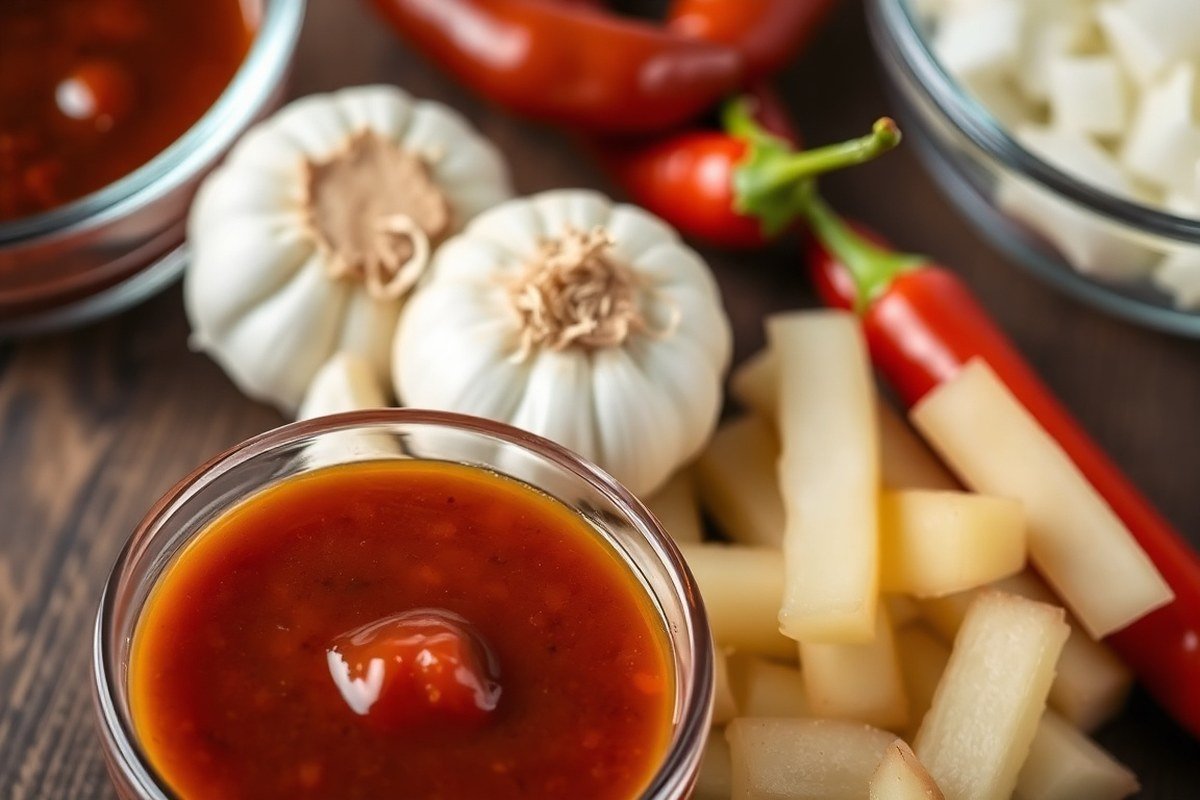
Common BBQ sauce ingredients can pose serious risks to your dog. Garlic and onion, often found in both fresh and powdered forms in these sauces, are particularly harmful. They can damage red blood cells and cause anemia, which might not show symptoms immediately but can develop over several days. This type of toxicity is dose dependent, meaning even small amounts repeated over time can be dangerous.
The high sugar content in BBQ sauce leads to stomach upset and might contribute to long-term issues like weight gain and dental disease. While a tiny lick might not cause immediate harm, regular exposure increases risks. Salt, present in significant amounts, can cause dehydration and, in larger quantities, salt poisoning (hypernatremia), which warrants moderate to high concern based on the amount ingested.
Artificial sweeteners like xylitol are especially dangerous and can trigger a rapid insulin release in dogs. This causes a sudden drop in blood sugar, leading to seizures or liver failure. Even very small amounts constitute an emergency. Vinegar and spices, although less dangerous, may irritate your dog’s stomach and digestive tract, causing discomfort or mild gastrointestinal upset.
Checking labels carefully is essential, as some sauces may not list xylitol explicitly under that name but include it as part of sugar-free or low-calorie sweeteners. Preparing your own sauce using dog-safe ingredients that exclude garlic, onion, salt, sugar, and artificial sweeteners is the safest option to avoid these risks. When buying or making sauces, always prioritize your dog’s health by avoiding these toxic or irritating components.
How BBQ Sauce Exposure Affects Dogs: Symptoms and Timeline
Symptoms of BBQ sauce poisoning in dogs usually appear within 30 to 60 minutes after ingestion. These signs can include vomiting, sudden weakness, wobbliness, and in more severe cases, collapse or seizures. The timing is important because ingredients like garlic and excessive sugar can cause a rapid drop in blood sugar, leading to these dangerous symptoms. Observing your dog closely during the first hour is critical to catch early signs of distress.
Mild reactions often show up as gastrointestinal upset, such as vomiting or diarrhea, while severe reactions may involve neurological symptoms like seizures or collapse. The presence of garlic or chili peppers in the BBQ sauce increases the risk of poisoning and should raise red flags if your dog shows any abnormal behavior. Early signs to watch for include decreased energy, trembling, or difficulty walking. These symptoms indicate a need for immediate veterinary attention.
After the initial hour, symptoms can develop over the next 24 to 48 hours. During this time, it’s essential to provide fresh water and monitor your dog closely. If symptoms worsen or new ones emerge, contacting a veterinarian promptly is important for preventing serious complications like pancreatitis or salt poisoning. The length and severity of symptoms depend on the amount ingested and the size of your dog, with smaller dogs often showing symptoms more quickly and intensely.
What to Do If Your Dog Eats BBQ Sauce
Start by noting the amount of BBQ sauce your dog ate and the time of ingestion. Check the label immediately for any dangerous ingredients like xylitol or concentrated garlic and onion powders. The sauce contains xylitol or your small breed dog ate a large amount, call your vet or a 24-hour poison control center without delay. These ingredients can cause severe reactions even in small doses.
Your dog only had a tiny lick and the sauce contains no harmful ingredients, giving fresh water to dilute sugars and spices can ease mild stomach upset. Still, monitor your dog closely for signs such as vomiting, diarrhea, weakness, or unusual behavior. Call your vet at the first sign of symptoms. Even if they seem fine, a quick check-in with your vet is advisable because the effects of ingredients like garlic and onion powder may not appear immediately but can be harmful over time.
For moderate to large ingestions without xylitol, your vet might recommend a bland diet and possibly medications like famotidine or omeprazole to reduce stomach irritation. Follow any medication instructions carefully and keep a close eye on your dog’s appetite and bowel movements. Avoid trying to induce vomiting unless explicitly directed by a professional, as incorrect handling could worsen the situation.
Remember to act fast if you see serious symptoms or if the sauce contained known toxins. Timely veterinary care can prevent complications like pancreatitis, which can be costly and dangerous. When you’re unsure, call your vet without delay; early care and prevention offer the best chances for your dog’s health and safety.
How Dog Size and Sauce Amount Affect Risk
Dog size and the amount of BBQ sauce ingested greatly affect the level of risk and the required response. Small dogs can experience toxicity from as little as a spoonful of sauce, especially considering ingredients like garlic and onion that add up quickly in a small body. For medium and large dogs, a single lick usually only causes minor stomach upset, and in many cases, careful observation is adequate. However, a substantial amount of sauce can still be dangerous for bigger dogs due to high sodium content and other harmful additives, so caution is necessary.
The difference in risk stems from how the dog’s body processes the sauce ingredients. Small dogs have less body mass, meaning toxins reach harmful levels faster compared to larger dogs. Xylitol presence is a critical factor: even tiny amounts in any dog require immediate veterinary attention because it is highly toxic.
A practical approach involves decision-making based on dog size, sauce amount ingested, and ingredient content. For example, if a small dog consumes a spoonful or more of BBQ sauce containing garlic or onion, contact your vet immediately. In contrast, if a medium or large dog licks a small amount of sauce without xylitol, monitor for symptoms like vomiting or lethargy for up to 24 hours before deciding on vet care. Big servings for medium and large dogs also warrant a vet call, especially if the sauce contains questionable ingredients or if symptoms appear.
No universal safe amount exists due to differences in dog health and types of BBQ sauce, so offer sauce in small, infrequent amounts. Steer clear of fatty trimmings and cooked bones along with the sauce to reduce extra dangers. This straightforward approach guides you on how to act based on your dog’s size and the quantity of BBQ sauce they consumed.
Risks from BBQ Sauce Ingredients: Pancreatitis, Poisoning, and More
Barbecue sauce contains ingredients that can seriously harm your dog, including the risk of pancreatitis. Pancreatitis happens when the pancreas becomes inflamed, often triggered by fatty or sugary foods. Since many BBQ sauces have high sugar and fat content, even a small amount can cause this painful condition. Pancreatitis symptoms might show up within 24 to 48 hours and include vomiting, diarrhea, abdominal pain, and lethargy. This condition requires veterinary care and can be life-threatening if left untreated.
Xylitol, a sugar alternative sometimes present in sugar-free BBQ sauces, poses a serious risk to dogs. This substance can cause a sharp decline in blood sugar and liver damage. Even a small amount, such as a few teaspoons, may be fatal based on your dog’s weight. Signs like weakness, shaking, seizures, or collapsing indicate xylitol poisoning, requiring urgent veterinary care.
Other ingredients in BBQ sauce, like garlic and onion powder, can cause poisoning by damaging your dog’s red blood cells. This can lead to anemia and require treatment. Also, some dogs may have allergic reactions to spices or preservatives, causing itching, swelling, or difficulty breathing. Noticing any strange symptoms after your dog consumes BBQ sauce means you should reach out to your vet immediately.
To protect your dog, keep all BBQ sauces well out of reach. Even a few teaspoons can cause serious issues. Pay extra attention to products labeled sugar-free or diabetic-friendly, since those are more likely to contain the harmful xylitol. Always read ingredient lists carefully, and remember that no amount of BBQ sauce is safe or beneficial for dogs.
Preventing BBQ Sauce Accidents at Home
To prevent your dog from accessing BBQ sauce, keep all sauces and related food items stored securely in cabinets or the refrigerator, well out of reach. Using childproof latches on lower cabinets can add an extra layer of protection, especially if your dog is an agile counter surfer. Avoid leaving plates or containers with BBQ sauce unattended on dining tables or kitchen counters during meals when your dog is nearby.
Implementing a consistent routine to feed your dog separately or in another room during meal prep and dining reduces temptation and accidental ingestion. Train your dog to understand commands like “leave it” or “stay” near food areas, which helps maintain their distance from hazardous foods. Establish a designated feeding area for your dog, especially during BBQ parties where sauces and rich foods are present, to minimize risks.
Remember that BBQ skewers, used frequently with grilled foods, pose a physical hazard. Sharp wooden or metal skewers can cause injuries if swallowed or chewed on, so dispose of them immediately after use and keep all BBQ tools away from your pet. Replace wooden skewers with pet-safe alternatives when cooking foods your dog might be around to eliminate injury chances. Checklist for home safety includes:
- Store BBQ sauce and other hazardous foods in secured locations.
- Do not leave food unattended where dogs can access it.
- Train your dog in “leave it” and “stay” commands near food areas.
- Feed your dog separately during BBQ meals or parties.
- Safely discard BBQ skewers immediately after use.
- Remove all dangerous cooking tools from pet areas.
These simple measures typically take little extra time and cost, mainly involving a bit of training and some storage solutions like cabinet locks ($10, 20) or designated pet feeding mats ($5, 15). Effectiveness shows in fewer emergency vet visits related to accidental ingestion of harmful substances. Ignoring these safety steps raises risks of poisoning, digestive upset, or physical injury, which can be costly and stressful.
Dog-Safe Flavor Alternatives to BBQ Sauce
Dogs can enjoy flavorful treats without the risks tied to commercial BBQ sauce by using safe alternatives made from simple, dog-friendly ingredients. A basic Homemade sauce can be made by mixing 2 tablespoons of plain tomato paste with a teaspoon of honey. This combo provides a sweet and tangy taste without harmful spices or additives. Let the mixture cool before offering it in small amounts to ensure your dog isn’t sensitive to any new flavors.
Another option is pureed pumpkin or sweet potato. These naturally sweet vegetables are safe and often favored by dogs. You can blend a small amount, like 2 tablespoons, with a splash of water to create a mild, tasty spread for treats. Pumpkin also aids digestion, which adds a nutritional benefit compared to BBQ sauce.
For a savory twist, mix plain Greek yogurt with a pinch of garlic-free herbs such as parsley or basil for flavor. Use about 3 tablespoons of yogurt combined with a quarter teaspoon of herbs. This makes a creamy treat topper rich in probiotics, supporting your dog’s gut health without exposing them to salt or sugar.
When preparing these alternatives, avoid any ingredients like onion, garlic, salt, or artificial sweeteners commonly found in BBQ sauces. Small amounts are key: start with half a teaspoon to see how your dog reacts. Flavorful dog treats should complement their diet and avoid causing tummy upset, so observe your dog after introducing any new food.
Step-by-Step Action Plan for Handling BBQ Sauce Exposure in Dogs
Use this plan to respond quickly if your dog eats BBQ sauce and to prevent future incidents. Monitoring and timely action help keep your dog safe and comfortable.
- Immediately after eating: Check how much sauce your dog consumed and note any unusual ingredients on the label. This helps assess risk and decide if veterinary care is needed.
- Within 1 hour: Look for symptoms like vomiting, diarrhea, or lethargy. Contact your vet right away when severe symptoms appear.
- Next 6 to 12 hours: Keep your dog hydrated and offer small amounts of bland food if they can eat. Monitor for signs like abdominal pain or repeated vomiting.
- During the first 24 hours: Avoid giving any more sauces or treats with spices. Strict diet control supports recovery if mild symptoms occur.
- Day 2: If symptoms persist or worsen, schedule a vet visit to check for complications like pancreatitis.
- Ongoing prevention: Store BBQ sauce out of reach and educate family members about the dangers. Substitute dog-safe flavors to prevent future risks.
Frequently Asked Questions
Can Dogs Have BBQ Sauce If It Doesn’t Contain Onions or Garlic?
Even without harmful ingredients like onions or garlic, BBQ sauce is not recommended for dogs due to high sugar and salt content, which can upset their stomach and lead to longer-term health issues.
Is BBQ Sauce Worse for Puppies Than Adult Dogs?
Puppies have more sensitive digestive systems, so even small amounts of BBQ sauce can cause more severe reactions or upset compared to adult dogs.
Can BBQ Sauce Cause Allergic Reactions in Dogs?
Yes, dogs can have allergies to certain BBQ sauce ingredients such as spices or preservatives, leading to symptoms like itching or swelling.
Does BBQ Sauce Affect Dogs with Pancreatitis Differently?
Dogs with pancreatitis are more vulnerable to BBQ sauce’s fats and sugars, which can worsen their condition and trigger flare-ups.
Are There Safer Ways to Include Dogs in Cookout Celebrations Without BBQ Sauce?
You can offer plain cooked meats without sauce or harmful additives, ensuring they enjoy the event without risk from BBQ sauce ingredients.
The Bottom Line
Dogs should avoid BBQ sauce due to harmful ingredients like onion, garlic, and spices. Act fast with observation and hydration when your dog accidentally consumes it. Contact your vet if symptoms worsen or your dog is small and consumed a large amount. Keeping BBQ sauce away from your dog protects their health and comfort.