Is BBQ Sauce Vegan? A Complete Guide with Brand Comparisons & Recipes
Is BBQ sauce vegan? Most store-bought BBQ sauces are vegan, but some include animal-based ingredients like honey or anchovies. Checking labels is the easiest way to be sure. Making your own vegan BBQ sauce at home ensures a fresh, animal-free option that tastes great and meets your dietary needs.
Key Takeaways
- Some BBQ sauces contain non-vegan ingredients such as honey, Worcestershire sauce, or dairy products.
- Look for vegan-certified or clearly labelled sauces to avoid hidden animal ingredients.
- Popular brands often offer vegan options, review ingredient lists to confirm.
- Homemade vegan BBQ sauce can be made in under 10 minutes with simple, natural ingredients.
- Simmering your BBQ sauce uncovered for 15-20 minutes thickens it without animal additives.
- Store homemade vegan BBQ sauce in the fridge for up to 10 days or freeze for 1-3 months.
Is BBQ Sauce Usually Vegan and Why?
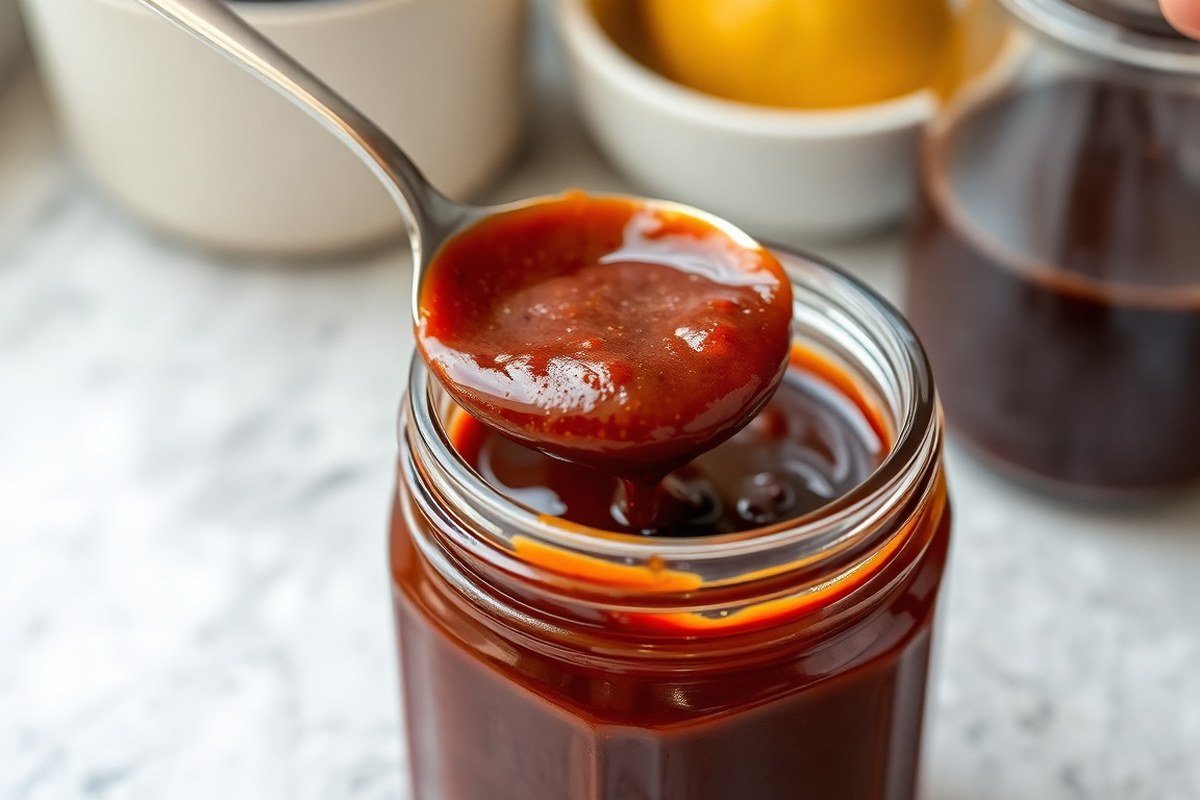
BBQ sauce is generally vegan when it sticks to the basic tomato-based recipe. Most traditional BBQ sauces include ingredients like tomato paste, vinegar, sugar, spices, and sometimes liquid smoke or mustard, all of which come from plant sources. This simplicity means many BBQ sauces you find on the shelf will be vegan by default. Tomato-based sauces resemble ketchup in composition, which is commonly vegan, making them a safe choice for plant-based eaters.
Some BBQ sauces are not vegan because they contain animal-derived ingredients or additives. A common non-vegan ingredient is Worcestershire sauce. It often includes anchovies, which obviously disqualifies the product from being vegan. In addition to Worcestershire sauce, sauces made with honey or mayonnaise are not vegan because these ingredients come from animals. In parts of the United States, it’s not unusual to encounter BBQ sauces that include honey as a sweetener or mayonnaise for creaminess.
Other ingredients that may affect the vegan status include sugar and natural flavors. While sugar itself is plant-based, some vegans avoid certain sugars processed with bone char, a method used to whiten sugar crystals. Natural flavors can be tricky; they sometimes involve animal products depending on their source and manufacturing but are rarely disclosed on labels. To be safe, look for BBQ sauces labeled vegan or check ingredient lists carefully, especially for Worcestershire sauce or sweeteners like honey.
Because of these variations, many vegans prefer making BBQ sauce at home. Recipes for vegan BBQ sauce typically use simple pantry items such as tomato paste, apple cider vinegar, molasses or maple syrup, smoked paprika, garlic, and onion powder. This approach ensures the sauce contains no animal products and can also be adjusted for taste or dietary needs. You can prepare a batch in under 15 minutes, and the cost usually remains low, often under $5 for several servings.
Common Non-Vegan Ingredients Found in BBQ Sauce
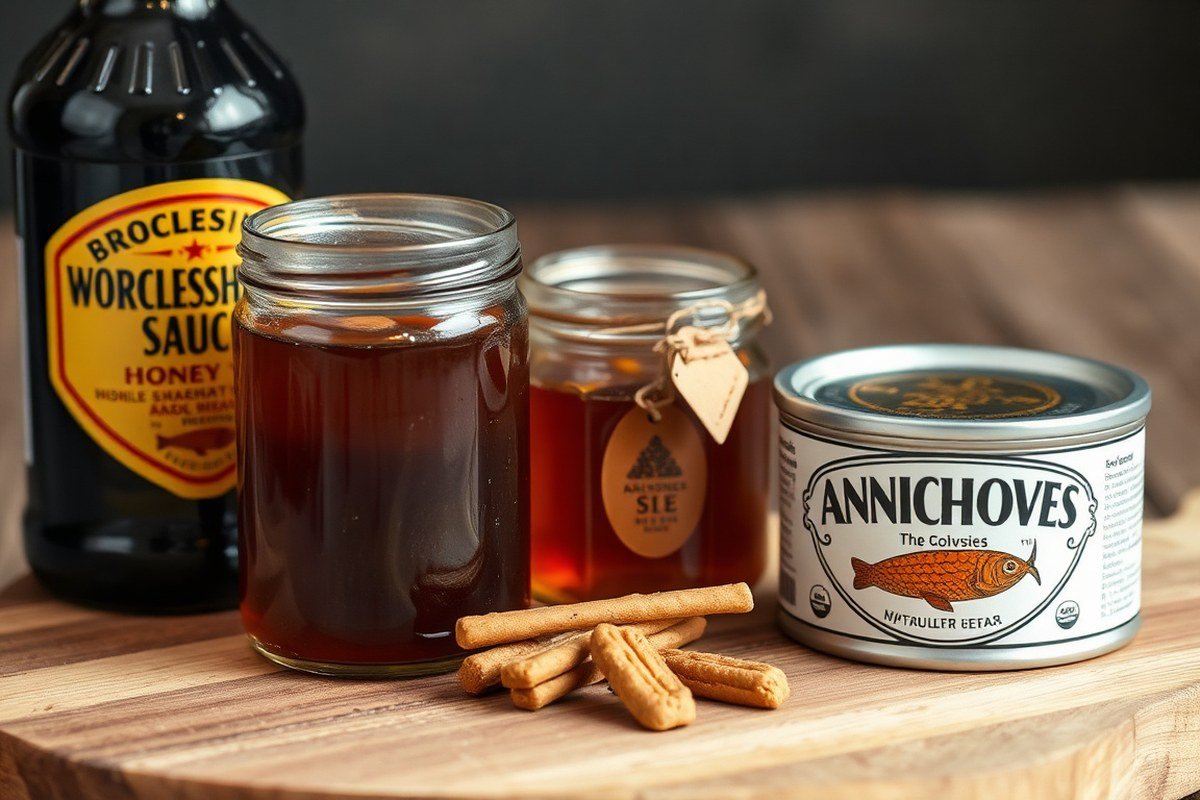
Some BBQ sauces include animal-derived ingredients that make them unsuitable for vegans. Honey is a common sweetener in BBQ sauces, but it is not vegan because it comes from bees. Many vegans avoid honey due to concerns about animal exploitation. Anchovies, often found in Worcestershire sauce or added for umami flavor, are another ingredient to watch for as they are small fish and clearly non-vegan. Processed sugar can be controversial for vegans. Cane sugar might be filtered through bone char, an animal product used to whiten and purify sugar; this process does not leave animal residues but does involve animal use, so some vegans choose to avoid such sugars.
Natural flavors listed on BBQ sauce labels are a potential source of non-vegan ingredients. “Natural flavors” can include animal-derived components such as dairy, meat extracts, or fish oils, but manufacturers rarely specify their source. This ambiguity makes sauces labeled with natural flavors questionable for strict vegans.
- Honey: Not vegan; derived from bees
- Anchovies: Found in some Worcestershire sauces and marinades
- Processed Sugar: May be refined using bone char, avoided by some vegans
- Natural Flavors: Could include animal-derived substances; check brand transparency
- Mayonnaise and other dairy-based additives: Occasional in some BBQ blends, not vegan
Knowing which ingredients to avoid helps you select fully vegan BBQ sauces. Plant-based sweeteners like maple syrup or fruit juices are good alternatives to honey and processed sugars. To ensure a sauce is vegan, scrutinize the ingredient list for anchovies or Worcestershire sauce containing fish extracts. For ambiguous terms like natural flavors, looking for brands that confirm vegan status or making your own sauce with simple, whole ingredients is a reliable choice.
Which Popular BBQ Sauce Brands Are Vegan?
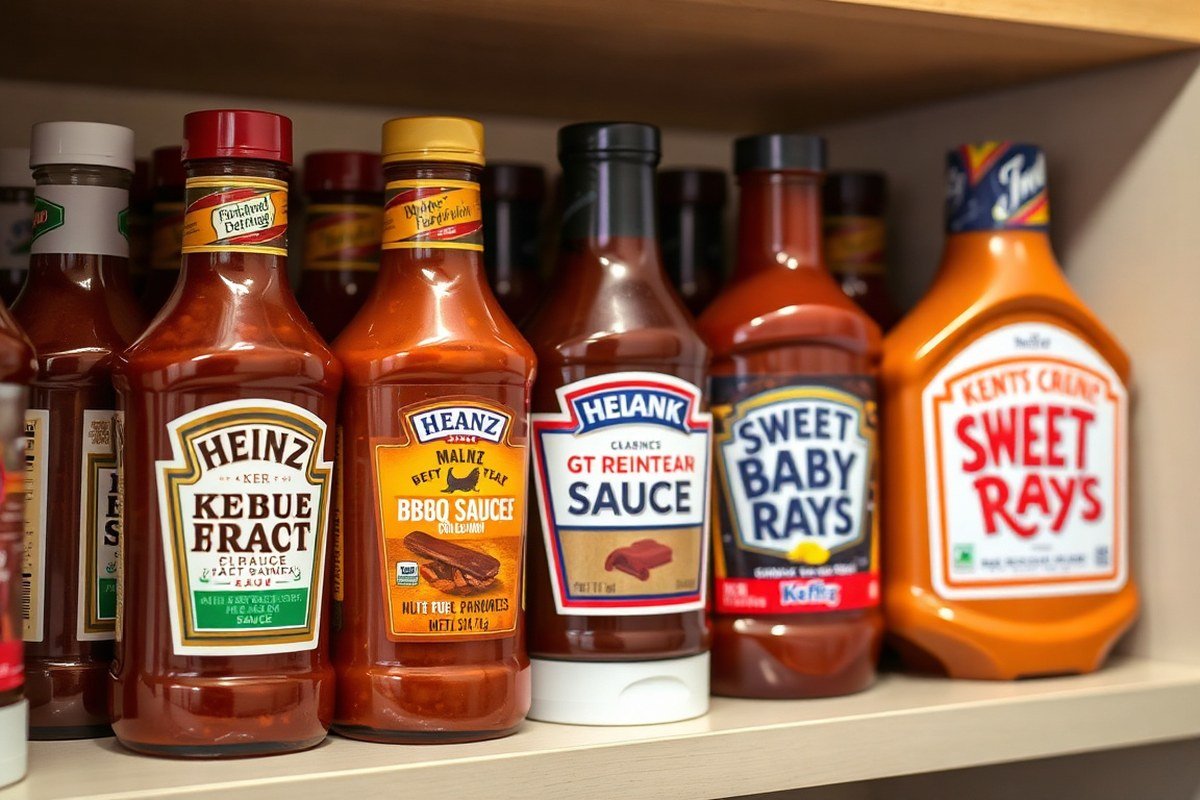
Many popular BBQ sauce brands include vegan options, but you must read the labels carefully to confirm. Some of the biggest names like Heinz, Kraft, and Sweet Baby Ray’s offer versions that contain no animal-derived ingredients, while others contain additives like anchovies or honey that disqualify them as vegan. Fast food chains such as Burger King disclose their BBQ sauce does not contain animal ingredients, making it suitable for vegans. Checking for components like honey, dairy, eggs, or meat-based broths is key.
| Brand | BBQ Sauce Flavor | Vegan Status | Key Ingredients or Notes |
|---|---|---|---|
| Heinz | Original Sweet & Thick | Vegan | Sugar, tomato paste, molasses, vinegar, spices |
| Heinz | Carolina Mustard Style | Vegan | Mustard-based, plant ingredients only |
| Heinz | Kansas City Style | Not Vegan | Contains anchovies |
| Sweet Baby Ray’s | Original | Vegan | No animal ingredients; some other flavors contain honey or broth |
| Sweet Baby Ray’s | Honey & Spice Legendary | Not Vegan | Contains honey |
| Burger King | BBQ Sauce (fast food) | Vegan | Allergen menu confirms no animal ingredients |
Look at the ingredients list to rule out animal products. Ingredients like sugar, tomato paste, molasses, vinegar, and spices are typically vegan. Watch for additions such as anchovies, honey, milk, eggs, or chicken broth, which break vegan compliance. Brands with extensive product lines may mix vegan and non-vegan sauces, so scan labels each time. For fast food sauces, consult official allergen or ingredient information published by the restaurant.
How to Make Easy and Delicious Vegan BBQ Sauce at Home
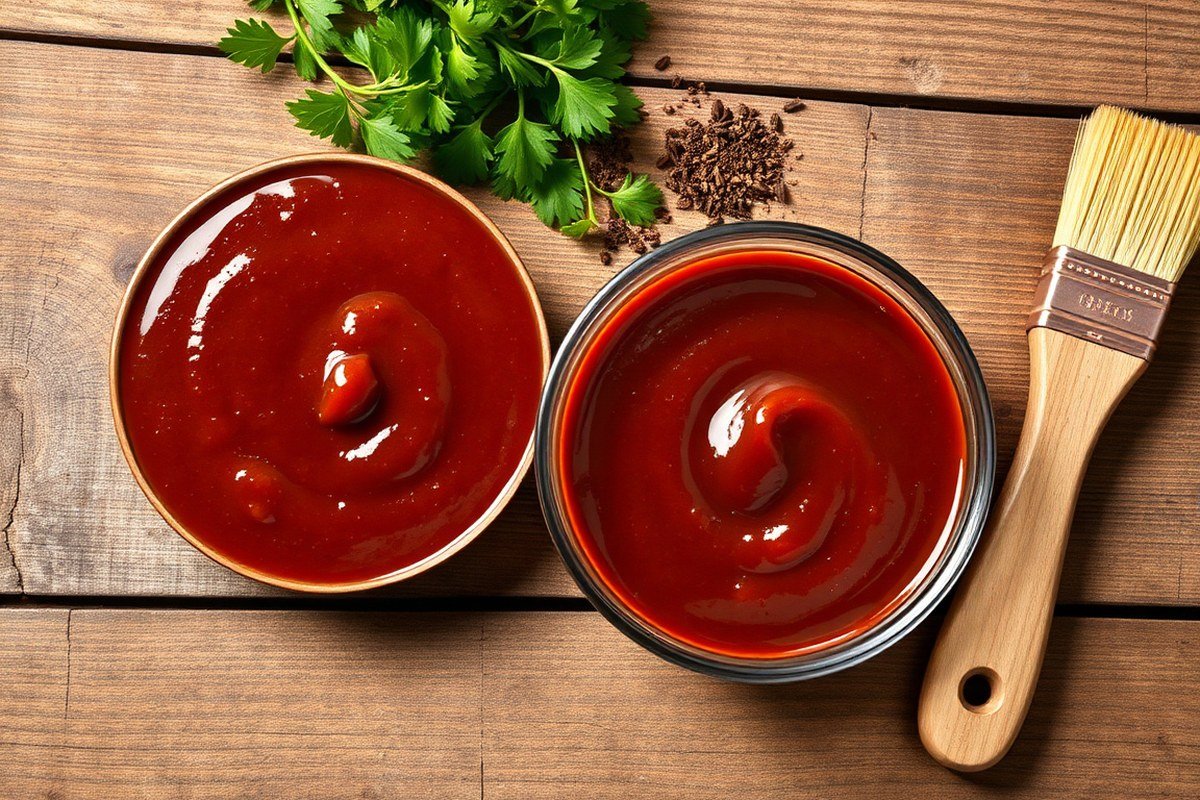
Making Vegan BBQ sauce at home is quick, affordable, and gives you control over the ingredients. A great vegan BBQ sauce balances smoky, tangy, and sweet tastes without animal products. Key ingredients include organic tomato sauce and paste for body, apple cider vinegar and Dijon mustard for tang, maple syrup or molasses for sweetness, and smoked paprika for that familiar smoky flavor. Vegan Worcestershire sauce can be used to replace traditional versions that contain anchovies, keeping the umami flavor intact. The entire process takes about ten minutes, making it ideal for busy cooks.
- Combine 1 cup organic tomato sauce, 2 tablespoons tomato paste, 2 tablespoons apple cider vinegar, and 2 tablespoons maple syrup or molasses in a bowl.
- Add 1 teaspoon Dijon mustard, 1 teaspoon smoked paprika, 1/2 teaspoon garlic powder, and 1/2 teaspoon onion powder for depth and smokiness.
- Pour 1 tablespoon vegan Worcestershire sauce or substitute with an equal amount of soy sauce mixed with a teaspoon of lemon juice if unavailable.
- Mix all the ingredients until smooth and well combined. Adjust sweetness or tang by adding more maple syrup or vinegar one teaspoon at a time as preferred.
- Let the sauce sit for 5 to 10 minutes to allow flavors to meld before tasting and tweaking any seasoning.
- Use the sauce immediately or refrigerate up to a week. Warm it gently before serving to improve flavor and consistency.
Tweaking this sauce is easy; Increase smoked paprika for a smoky punch or add a dash of hot sauce for heat. For a sweeter BBQ, add a bit more maple syrup gradually. This recipe yields around one cup, perfect for coating dishes like vegan BBQ jackfruit or cauliflower wings. Homemade vegan BBQ sauce often tastes fresher and cleaner than store versions, especially those free from refined sugar and preservatives.
Vegan BBQ Sauce Variations and Dietary Considerations
Adapting vegan BBQ sauce to fit different dietary needs like gluten-free or paleo is straightforward. Choose Gluten-free tamari or coconut aminos in place of soy sauce for that savory depth without gluten. Paleo-friendly sauces avoid grains and processed sugars, so using Organic vinegar, tomato paste, and natural sweeteners such as raw honey alternatives like maple syrup or date syrup helps keep the sauce compliant.
For sweetening, natural options like Agave nectar, maple syrup, or date syrup work well to replace refined sugar or corn syrup. These provide the classic sweet balance of BBQ sauce but without ingredients that some vegans avoid, including bone char-processed sugar prevalent in North America.
- Add yellow mustard as a base ingredient to sharpen flavor and meld spices.
- Use smoked paprika and chipotle chili powder for a smoky, spicy kick.
- Blend in onion powder and cayenne for extra savory depth and heat.
- Try fruit-based variations by mixing in pureed pineapple or mango for natural sweetness and tang.
- Adjust tartness with apple cider vinegar or balsamic vinegar depending on your taste preference.
- For sugar-free BBQ, experiment with stevia or monk fruit extract, using sparingly to avoid bitterness.
When customizing your homemade sauce, start with a basic mixture of tomato paste, vinegar, mustard, and a natural sweetener. Slowly add spices and fruit purees, tasting as you go. Keep sauce covered and refrigerate; it will stay fresh and flavorful for about 7 to 10 days. Watch out for burnt spices if cooking too long over high heat, which can turn the sauce bitter. With these adjustments, you can create a Varied and diet-friendly vegan BBQ sauce that suits your preferences and lifestyle.
Storing and Using Vegan BBQ Sauce Safely
Storing vegan BBQ sauce properly keeps it fresh and safe to eat. Homemade vegan BBQ sauce typically lasts 7 to 10 days in the refrigerator. To maximize freshness, store it in an airtight container or jar and keep your fridge temperature at or below 40°F. An airtight glass jar works best because it doesn’t absorb flavors and seals tightly, preserving the sauce’s taste and preventing contamination.
You can freeze vegan BBQ sauce safely for up to 3 months, which is helpful if you make larger batches. Use small airtight freezer-safe containers or thick freezer bags to reduce air exposure. To use frozen sauce, thaw it in the refrigerator overnight rather than at room temperature. This slow thaw prevents texture changes and preserves flavor.
Knowing when vegan BBQ sauce has gone bad is important. Signs of spoilage include sour or off smells, noticeable mold growth, separation of ingredients that doesn’t mix after stirring, or an unusual color change. Should the sauce smell rancid or have a fermented taste, throw it away right away. Trust your senses and err on the side of caution.
Store your homemade vegan BBQ sauce sealed and refrigerated right after you use it. Store it in glass or BPA-free plastic airtight containers for best results. Use the sauce within 1 to 2 weeks refrigerated or freeze for longer storage. Thaw frozen portions overnight in the fridge before cooking or serving. This routine helps keep your vegan BBQ sauce flavorful, safe, and delicious.
Your Quick-Start Plan to Enjoy Vegan BBQ Sauce
Follow these steps to quickly identify or create vegan BBQ sauce and enjoy it safely. Each step guides you through key actions and ways to check your progress.
- Before You Buy or Make: Check the ingredient list on BBQ sauces for animal-based items like honey or anchovies to ensure it’s vegan.
- Day 1: Pick a trusted vegan BBQ sauce brand from your local store or online; verify by reading product descriptions or labels.
- Day 2: Try making a simple vegan BBQ sauce at home using basic ingredients such as tomato paste, vinegar, brown sugar, and spices; taste for flavor balance.
- Week 1: Experiment with adding vegan-friendly smoky or spicy ingredients like liquid smoke or chipotle powder to customize your sauce.
- Week 2: Use your vegan BBQ sauce in various dishes, such as tofu, vegetables, or plant-based burgers, to find your favorite pairings.
- Ongoing: Store your homemade sauce in a clean airtight container in the fridge; monitor freshness by checking for any off smells or mold.
- Monthly: Review new vegan BBQ sauce options available in stores or online and update your favorites list accordingly.
Frequently Asked Questions
Can BBQ Sauce Contain Animal-Based Thickeners?
Yes, some BBQ sauces use animal-based thickeners like gelatin. Check the label for ingredients like gelatin, honey, or anchovies, which make it non-vegan.
Are All Smoky Flavors in BBQ Sauce Vegan?
Not all smoky flavors are vegan since some use animal-derived ingredients. Natural smoke flavor usually is plant-based, but some artificial smoke flavors may contain animal products, so verify the source.
Can Vegan BBQ Sauce Be Stored in the Refrigerator?
Vegan BBQ sauce can be safely stored in the refrigerator. Keep it in an airtight container, and it usually lasts about 1 to 2 weeks for best quality.
Does BBQ Sauce Brand Availability Vary by Region for Vegans?
Yes, brands and vegan options often differ by region or country. Always check local stores or online for available vegan BBQ sauce brands in your area.
Is Honey Commonly Used in BBQ Sauce as a Sweetener?
Honey is often used, but it is not vegan. Look for BBQ sauces sweetened with molasses, maple syrup, or brown sugar instead.
The Bottom Line
Most BBQ sauces can be vegan, but it’s essential to check for hidden animal products before buying or using them. Finding or making your own vegan sauce lets you enjoy this classic flavor with confidence and control over ingredients. Start with a simple recipe today to suit your taste and dietary needs, and you’ll have a delicious vegan BBQ sauce ready for your meals.