
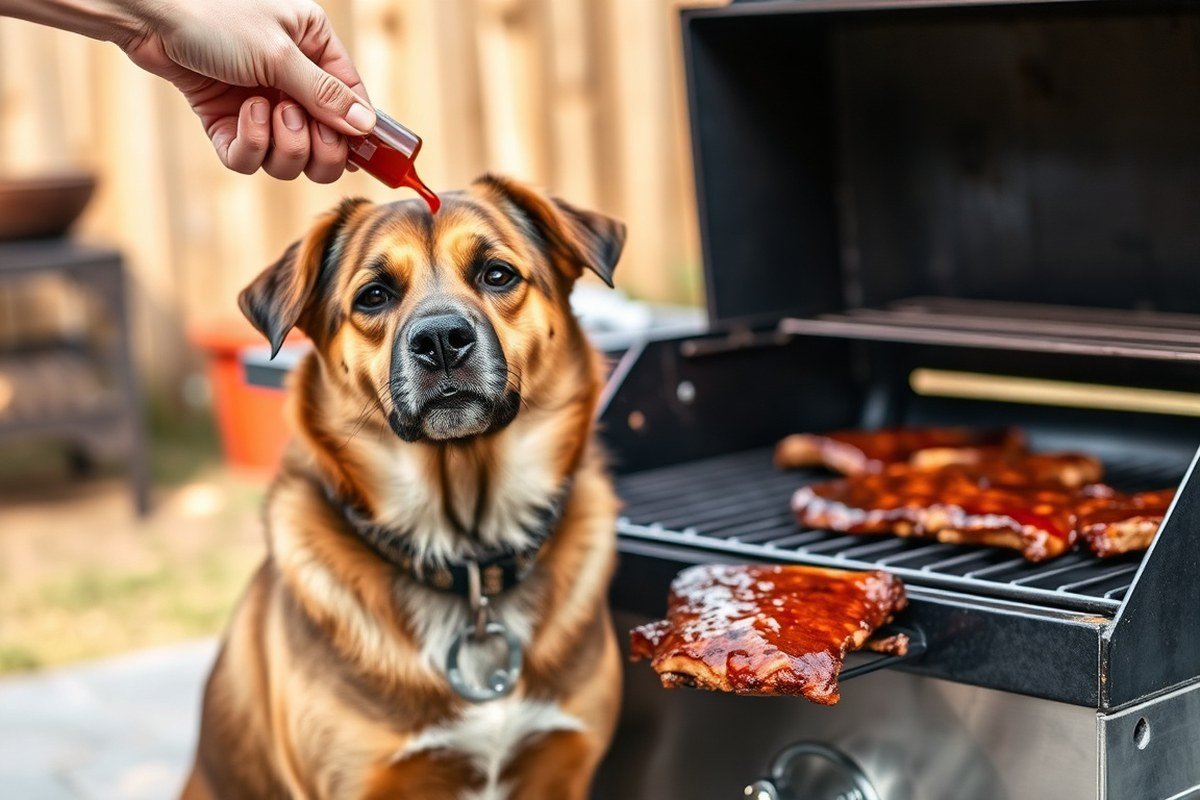
Can Dogs Have BBQ Sauce? Risks, Safety Tips, and Vet Advice
Can dogs have BBQ sauce? It’s best to avoid giving your dog BBQ sauce because many ingredients in it can harm their health. Your dog sneaks a lick, keep a close eye for signs of illness and contact your vet if symptoms appear. Keeping BBQ sauce out of reach helps prevent accidental ingestion and health risks.
Key Takeaways
- BBQ sauce often contains toxic ingredients like onions and garlic that can poison dogs.
- High sodium levels in BBQ sauce can lead to dehydration and kidney issues in dogs.
- Sugars and fats in BBQ sauce may trigger pancreatitis, especially in small dogs.
- Signs of BBQ sauce toxicity include vomiting, weakness, tremors, and collapse within an hour.
- Your dog shows symptoms after eating BBQ sauce, call your vet and watch carefully for 24 to 72 hours.
- Dogs should only receive treats as less than 10% of their daily calorie intake to stay healthy.
Is BBQ Sauce Safe for Dogs to Eat?

Dogs should not eat BBQ sauce because it contains ingredients that can be harmful or toxic. Most BBQ sauces include garlic and onion, which are part of the allium family. These can cause damage to a dog’s red blood cells, leading to anemia. The sugar and salt content in BBQ sauce is also very high, increasing the risk of pancreatitis and dehydration. Spices and acidic components like vinegar irritate the digestive system, causing vomiting or diarrhea. High-fat and smoky residues in the sauce add to the risk of pancreatitis, especially in small dogs.
Homemade BBQ sauce does not automatically mean it is safe for dogs. If the sauce contains garlic, onion, salt, sugar, or spices, it can still cause harm. Some people assume less processed or sugar-free sauces are better, but sugar substitutes like xylitol are extremely toxic and require immediate veterinary care. Even a small lick of regular BBQ sauce rarely causes severe problems, but it should not be given intentionally. Serving a spoonful or more increases the risk, especially for dogs under 20 pounds, which absorb toxins faster.
Giving your dog a small lick on occasion might not trigger obvious symptoms, but the safest approach is to avoid BBQ sauce entirely. Dogs digest foods differently, and what seems insignificant can cause discomfort or serious illness. Instead, focus on safe treats designed for dogs or plain cooked meats without any sauce or seasoning. This way, your dog gets to join the fun without the risk that BBQ sauce poses.
Which BBQ Sauce Ingredients Harm Dogs and Why

Barbecue sauce often contains several ingredients that can be harmful to dogs. Garlic and onion, usually presented in powder form, belong to the allium family and damage canine red blood cells, potentially causing anemia. This damage may not appear immediately but can develop over several days, so symptoms might be delayed. Xylitol, a toxic artificial sweetener found in some BBQ sauces, triggers a dangerous insulin release, leading to a rapid blood sugar crash and liver damage even in tiny amounts.
Salt and sugar also present risks. High salt levels can cause dehydration and salt toxicity if ingested in large amounts. Sugar tends to upset a dog’s stomach acutely and may contribute to weight gain and dental issues over time. Vinegar and spices, common in BBQ sauce, generally cause only mild stomach irritation in most dogs, but effects vary by dog sensitivity and amount consumed.
| Ingredient | How It Harms | Symptoms | Urgency |
|---|---|---|---|
| Xylitol | Triggers insulin release; risks liver damage | Rapid weakness, seizures, collapse | Emergency, even tiny amounts |
| Onion and Garlic | Damage to red blood cells causing anemia | Weakness, pale gums, lethargy (may develop over days) | High, dose dependent |
| Salt | Dehydration, salt poisoning in high doses | Vomiting, diarrhea, tremors, seizures in severe cases | Moderate to high in quantity |
| Sugar | Stomach upset; long-term weight and dental problems | Diarrhea, flatulence | Low acutely, notable long term |
| Vinegar and Spices | Gastrointestinal irritation | Minor upset, vomiting | Low, most cases |
Most commercial barbecue sauces use garlic and onion powder as flavor bases, making them generally unsafe for dogs. If you want to prepare a BBQ sauce acceptable for dogs, omit those allium ingredients, avoid xylitol entirely, and keep salt and sugar levels minimal. Careful ingredient selection can reduce risks, whereas regular sauces combine multiple harmful elements that impact digestion, blood health, and metabolism.
Signs and Timeline of BBQ Sauce Toxicity in Dogs

Symptoms of BBQ sauce toxicity in dogs typically appear within 30 to 60 minutes after ingestion, though the exact timing can vary with the amount consumed and the dog’s size. Common initial signs include vomiting and diarrhea caused by gastrointestinal irritation from the sauce’s ingredients. If the sauce contains sugars or vinegar, these may trigger further issues such as sudden weakness, wobbliness, or collapse due to blood sugar swings, especially in smaller dogs.
Smaller dogs often experience more severe symptoms with even a small amount of BBQ sauce, as their lower body weight makes them more sensitive to its toxic ingredients. Larger dogs may tolerate slightly higher doses but can still suffer significant effects if they ingest enough sauce. Rapid onset of severe symptoms like seizures or collapse usually indicates a critical reaction requiring immediate veterinary attention.
The severity of symptoms ranges from mild stomach upset to life-threatening conditions, largely depending on the quantity eaten. Mild cases might show only intermittent vomiting and loose stools, which can last a few hours to a day. Larger amounts or sensitive dogs may display neurological symptoms such as disorientation and tremors within an hour of exposure. Monitoring your dog closely after any exposure is essential. Rinsing your dog’s mouth quickly can reduce residue but won’t prevent symptoms if a harmful amount was swallowed.
Since BBQ sauce ingredients vary, reactions differ accordingly. Sauces high in salt, sugar, onion, or garlic pose the greatest risks. Because of these dangers, even a small taste can lead to noticeable symptoms in dogs, and significant ingestion often rapidly escalates symptom severity, emphasizing the need for prompt observation and potential veterinary care.
What to Do If Your Dog Eats BBQ Sauce
Act quickly if you catch your dog eating BBQ sauce. The first step is to assess the amount and ingredients, as some components like xylitol, garlic, or onion powder can be toxic even in small doses. Immediate veterinary contact is critical when those ingredients are present or if your dog shows symptoms such as vomiting, diarrhea, weakness, or seizures. Smaller dogs or those who consume a large serving should be checked by a vet right away. In cases where the intake is minor and your dog remains symptom-free, you may monitor them at home but keep a close eye for any changes over 24 hours.
- Note the time and amount your dog ate BBQ sauce to provide accurate information to the vet.
- Check the label for toxic ingredients like xylitol, birch sugar, wood sugar, garlic, or onion powder, these require urgent veterinary intervention.
- Call your veterinarian immediately if the sauce had harmful ingredients, if your dog is small and consumed a full serving, or if you notice symptoms such as vomiting, diarrhea, lethargy, weakness, wobbliness, or seizures.
- Follow your vet’s advice on whether to bring your dog in for evaluation or to monitor at home with supportive care like bland diets and antacids such as famotidine or omeprazole.
- Do not induce vomiting unless a vet specifically instructs you to do so, as improper induction might cause harm.
- Monitor your dog closely for up to 24 hours if symptoms are mild or absent, watching for any worsening condition or new symptoms.
- Seek emergency care immediately if your dog develops hypoglycemia signs such as seizures, severe weakness, or pale gums, which indicate serious toxicity.
Safer Alternatives and BBQ Tips for Dogs at Cookouts
For safer BBQ sauce options, it’s best to avoid any with vinegar, garlic, onion, or added sugars, as these ingredients can harm your dog. Plain, unsalted sauces made from pureed vegetables like pumpkin or carrot can offer mild flavor without toxic risks. A simple comparison: store-bought BBQ sauce often contains sugars up to 10 grams per tablespoon, vinegar, and spices, while dog-safe alternatives have minimal or no sugars, no vinegar, and are free from onion or garlic. Nutritionally, safe sauces provide fiber and some vitamins, whereas typical BBQ sauces add empty calories and harmful compounds.
Preventing your dog from eating harmful BBQ foods requires careful supervision and preparation. Keep sauces and seasoned meats well out of reach, ideally on improve tables or in closed containers. Avoid giving your dog any cooked bones, fatty cuts, or foods seasoned with harmful ingredients like garlic or onion powder. If your dog tends to wander during cookouts, consider a leash or a designated safe area with water and dog-friendly toys to distract them.
Cookout-friendly treats for dogs include plain, fully cooked, boneless chicken or turkey pieces without skin, which provide protein without added fats or spices. Vegetables such as carrot sticks, green beans, or cucumber slices make safe, low-calorie toppings or snacks. You can introduce small amounts of plain sweet potato puree as a topping during the BBQ; it’s rich in beta-carotene and fiber and is generally well-tolerated. Make sure to serve these treats in moderation to avoid digestive upset.
Step-by-Step Action Plan After Your Dog Eats BBQ Sauce
Follow these steps to manage your dog’s health if they consume BBQ sauce, and monitor their condition closely.
- Immediately after ingestion: Remove any remaining BBQ sauce or food containing it to prevent further consumption. Check the label for harmful ingredients.
- Within the first hour: Look for symptoms like vomiting, diarrhea, excessive thirst, or lethargy. Mild signs indicate simple monitoring; severe signs need prompt veterinary care.
- Within 2-4 hours: Offer fresh water to keep your dog hydrated, but avoid forcing water if they vomit repeatedly. Hydration helps flush out toxins if mild symptoms appear.
- By 12 hours: Observe eating and bathroom habits. Contact your vet for advice or possible treatment when symptoms persist or get worse.
- Next 24 hours: Keep your dog calm and quiet. Avoid giving any human food or treats that could irritate their digestive system further.
- After 48 hours: If your dog shows no symptoms and behaves normally, they’ve likely passed any mild reaction. Continue monitoring for delayed signs.
- Should symptoms worsen anytime: Get emergency veterinary care right away, especially with signs like seizures, trouble breathing, or severe lethargy.
Frequently Asked Questions
Can Dogs with Pancreatitis Safely Consume BBQ Sauce?
No, BBQ sauce can trigger or worsen pancreatitis in dogs due to its high fat and sugar content. Even small amounts may cause severe pain and vomiting in affected pets.
Are All Flavored BBQ Sauces Equally Dangerous for Dogs?
No, sauces with garlic, onion, or high sugar pose greater risks. Read labels carefully to avoid harmful ingredients for your dog.
Can BBQ Sauce Cause Allergic Reactions in Dogs?
Yes, some dogs may react to specific spices or additives in BBQ sauce. Watch for itching, swelling, or digestive upset after exposure.
Is It Safe to Use BBQ Sauce as a Dog Training Treat?
No, BBQ sauce is not recommended for treats due to toxic and irritating ingredients. Choose plain, dog-safe treats instead.
Does Cooking Meat with BBQ Sauce Make It Unsafe for Dogs?
Yes, smoked or heavily sauced meat can raise health risks for dogs due to harmful residues and ingredients absorbed during cooking.
Key Points to Remember
Dogs should not have BBQ sauce because it often contains harmful ingredients like onion, garlic, and excessive sugars or spices. Protect your dog’s health by keeping BBQ sauce well out of reach and offering pet-safe treats during cookouts. Your next best step is to read ingredient labels carefully and prepare dog-friendly food options for your furry friend at your next barbecue.